 Dineora


 Restaurant
 Location
 Cuisine
 Designed by Dineora
Cambodian street food at Bastide Niel
Khmer Street Food is a Cambodian restaurant in Bordeaux, set in the Bastide Niel district. Its menu fits into three sections, mains, starters and extras, yet it covers a wide range: bo bun with lemongrass-marinated chicken, beef, shrimp or tofu, pho soup, beef lok lak, caramel chicken, curry chicken, duck with pineapple, lemongrass shrimp or beef, Khmer fried rice, udon and Khmer stir-fried noodles, pad thai, chicken jou em.
The starters bring together chicken nems and spring rolls with chicken and shrimp. A section of extras lets you add a meat, shrimp, tofu, an egg, rice, vegetables or a sauce: everyone adjusts their plate. The character of the place shows from the logo onward, three words in red capitals above a drawn cyclo, the tricycle taxi of Southeast Asian streets.

The challenge: telling Cambodia in the voice of the street
 The challenge: telling Cambodia in the voice of the street
Bo bun, pho, pad thai: these dishes appear on plenty of Asian restaurant menus. The Khmer Street Food website had to say where this particular cooking comes from, Cambodia, and give it the tone of street food: direct, generous, colorful, without turning into a postcard.
The other challenge lies in how it is used. The menu is designed for ordering for pickup, so the website gets straight to the point: a single button, Commander, stays at the top of the screen from start to finish, and the menu opens directly on the dishes, each with its visual, so that people can choose quickly.
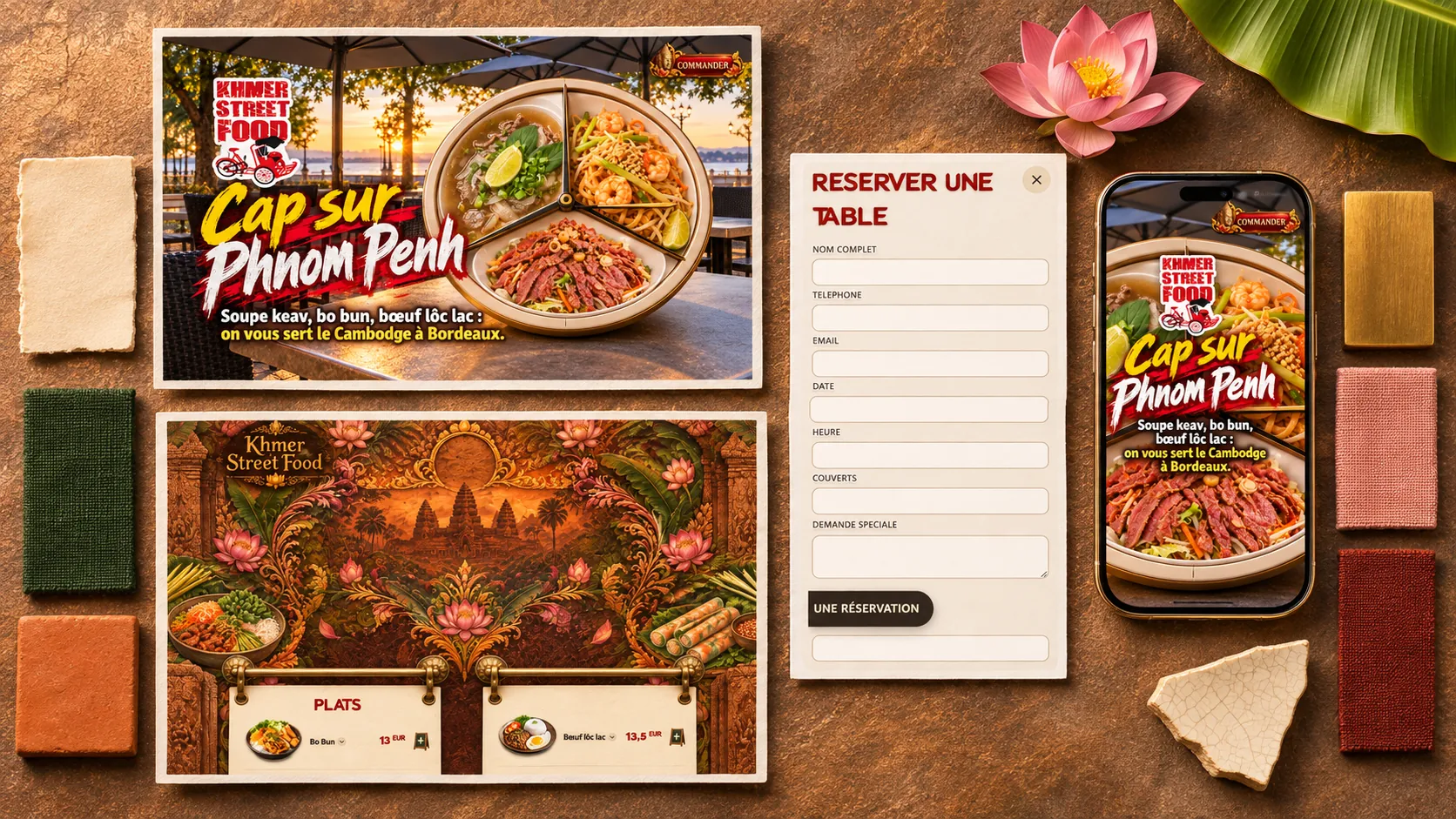
Art direction between the street and the temple
 Art direction between the street and the temple
The palette blends two registers. The home page plays the street: the bright red of the logo, the yellow and white of the taglines brushed on a red streak. The ordering page dives into Khmer tradition: ochers, terracotta, gold and the pink of lotus flowers. Between the two, the painted Commander button, red ringed in gold, bears a small crowned face carved in the manner of Khmer temples.
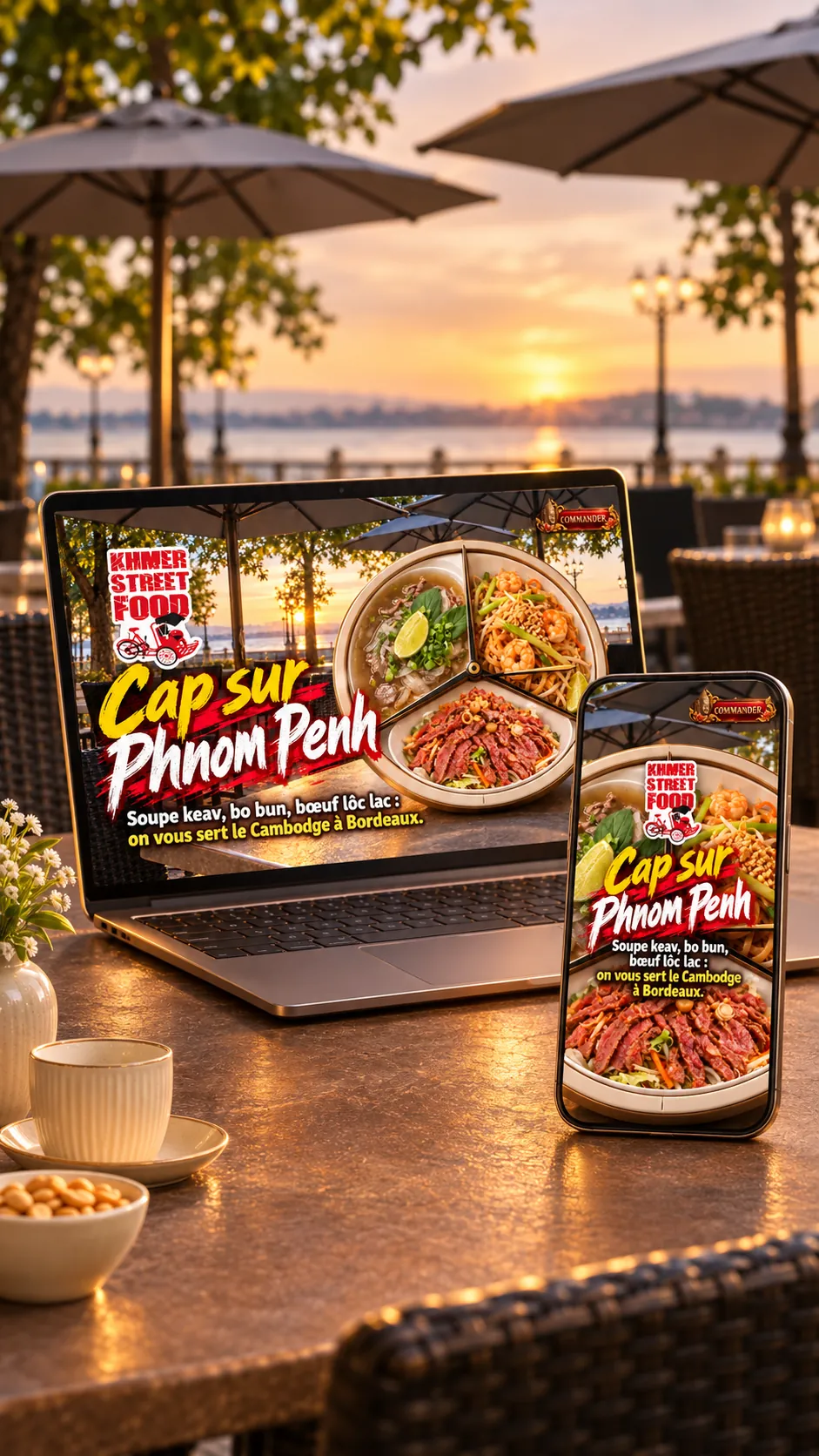
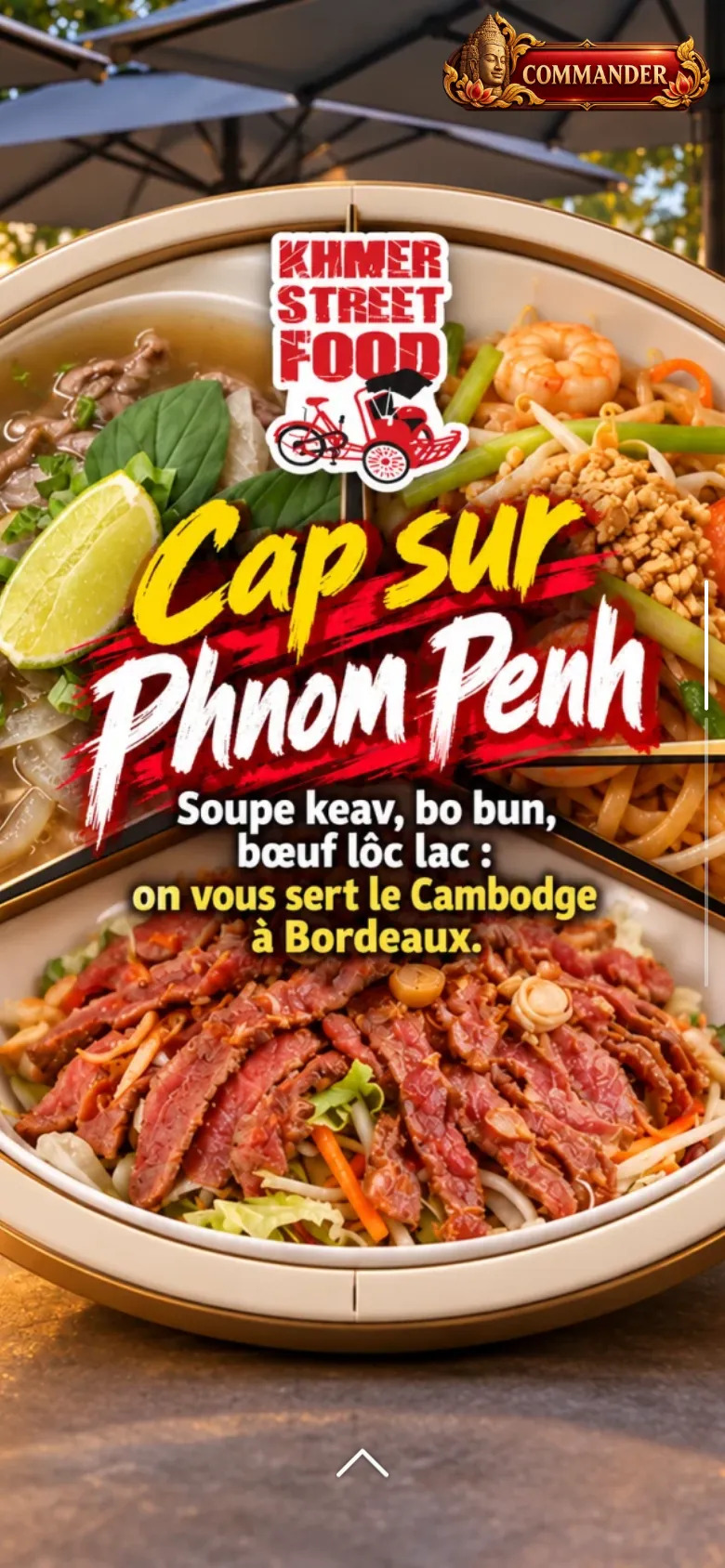
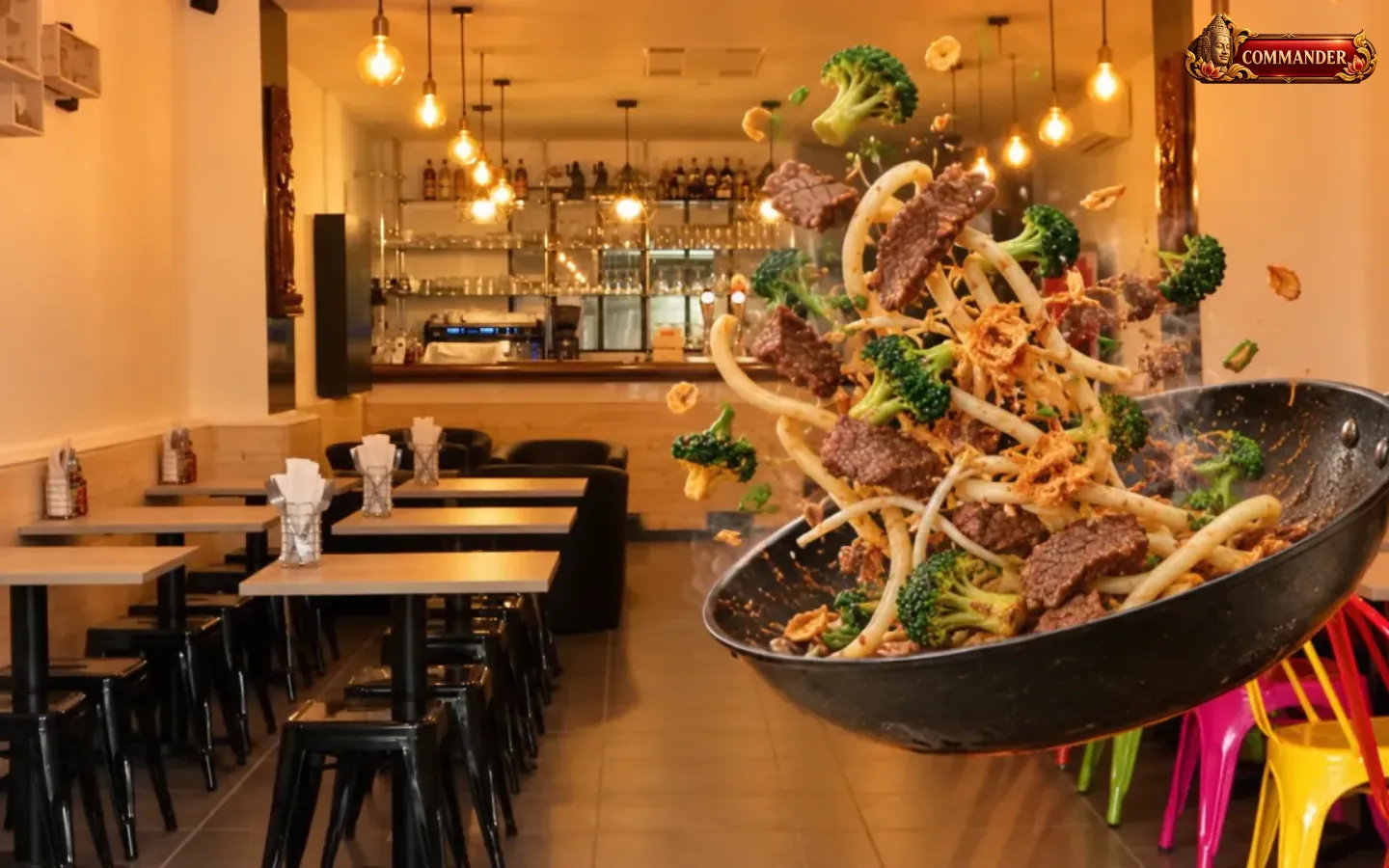
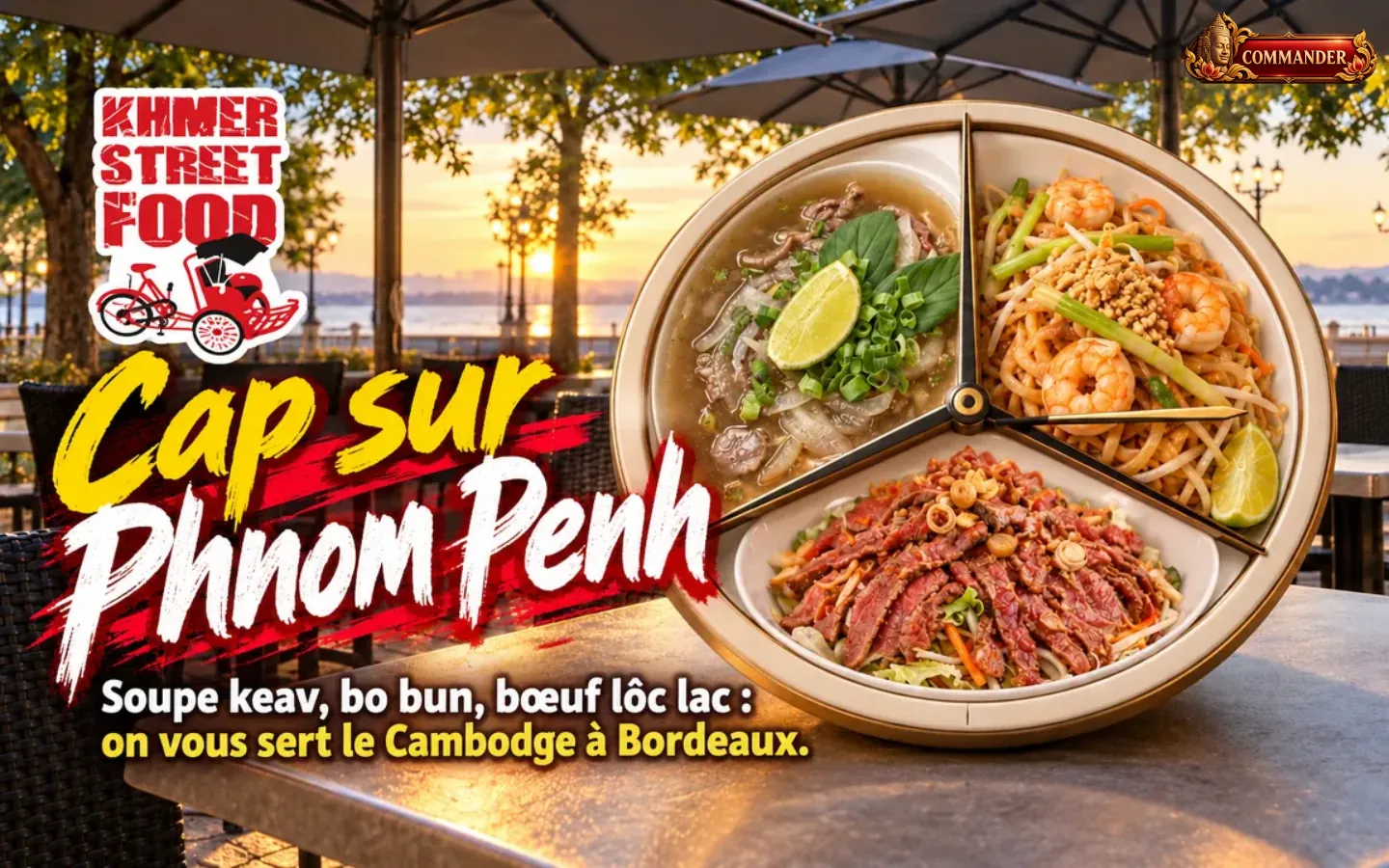
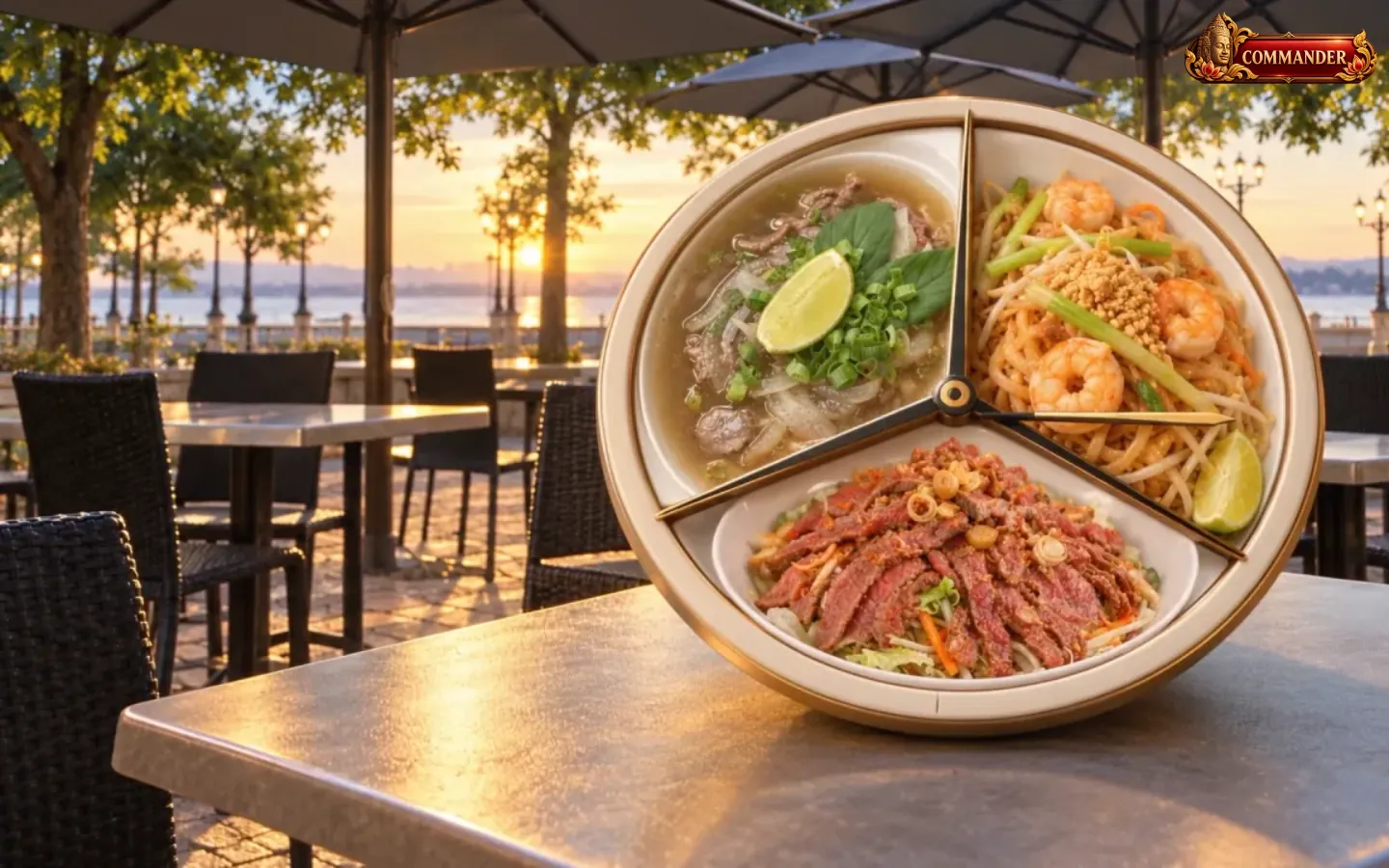
The visuals put the dishes front and center: a large round plate divided in three by golden needles, like a compass, with a soup of herbs and lime, stir-fried noodles with shrimp and strips of beef; a lacquered chicken being spooned with sauce; a wok tossing noodles, beef and broccoli in the middle of the dining room. The menu headings are set in a typeface drawn after the letters of the logo, in red capitals.
A home page that moves like a film
 A home page that moves like a film
On a computer, the home page is a film that advances as you scroll. It begins on a terrace, under parasols, facing the water and the setting sun, with a frank promise: “Cap sur Phnom Penh”. The subtitle sets the tone, keav soup, bo bun, beef lok lak, and concludes: “on vous sert le Cambodge à Bordeaux”.
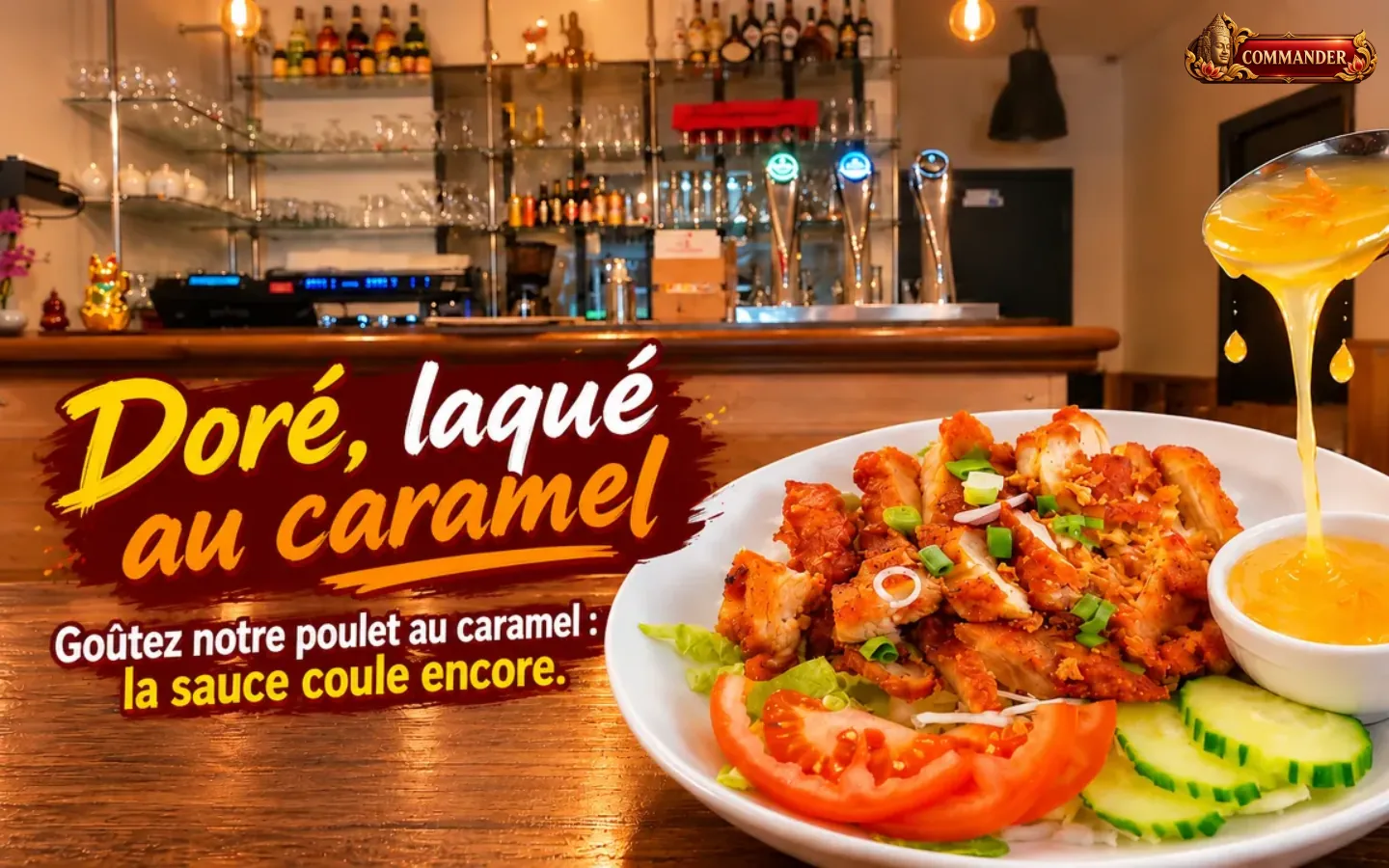
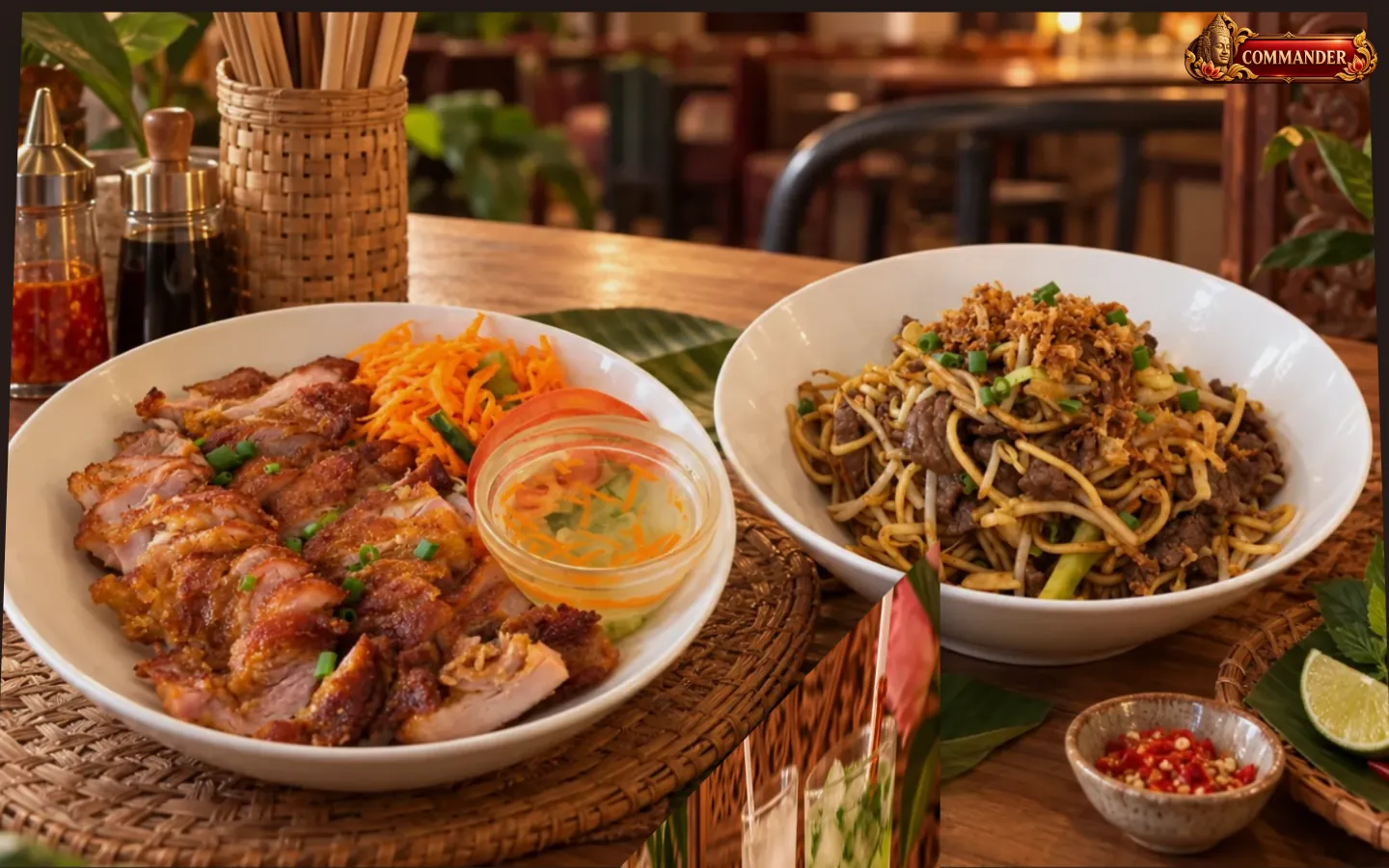
Scrolling then moves into the restaurant. In front of the bar, a spoon pours sauce over the chicken: “Doré, laqué au caramel”. Then the dining room unfolds, its hanging bulbs, its light wooden tables and its colorful metal chairs, while a wok sends noodles and vegetables flying. Further on, you sit down to eat, on woven rattan placemats: two generous plates, chopsticks in a basket, chilies, soy sauce and lime.
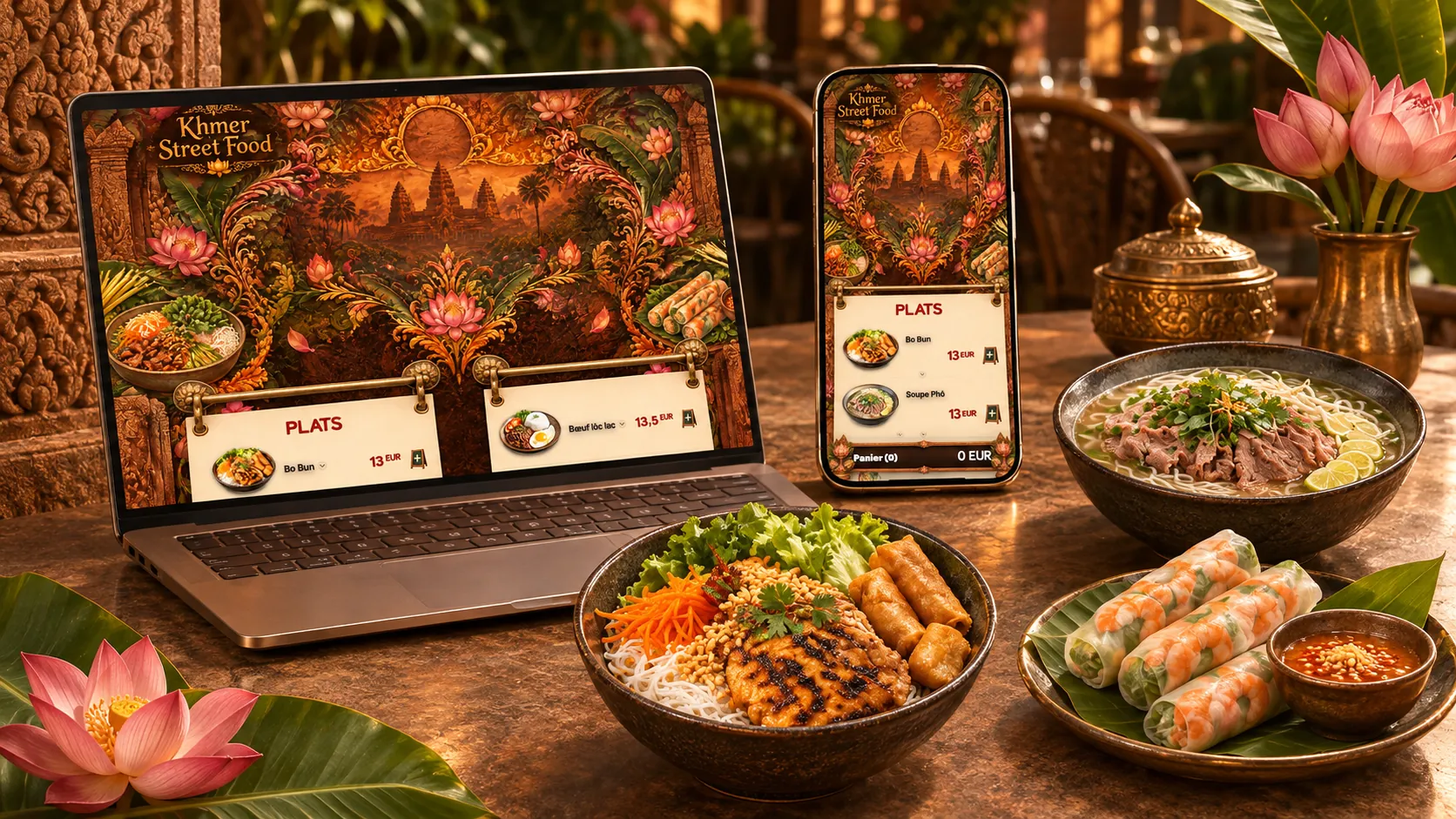
A menu hanging before a temple for ordering pickup
 A menu hanging before a temple for ordering pickup
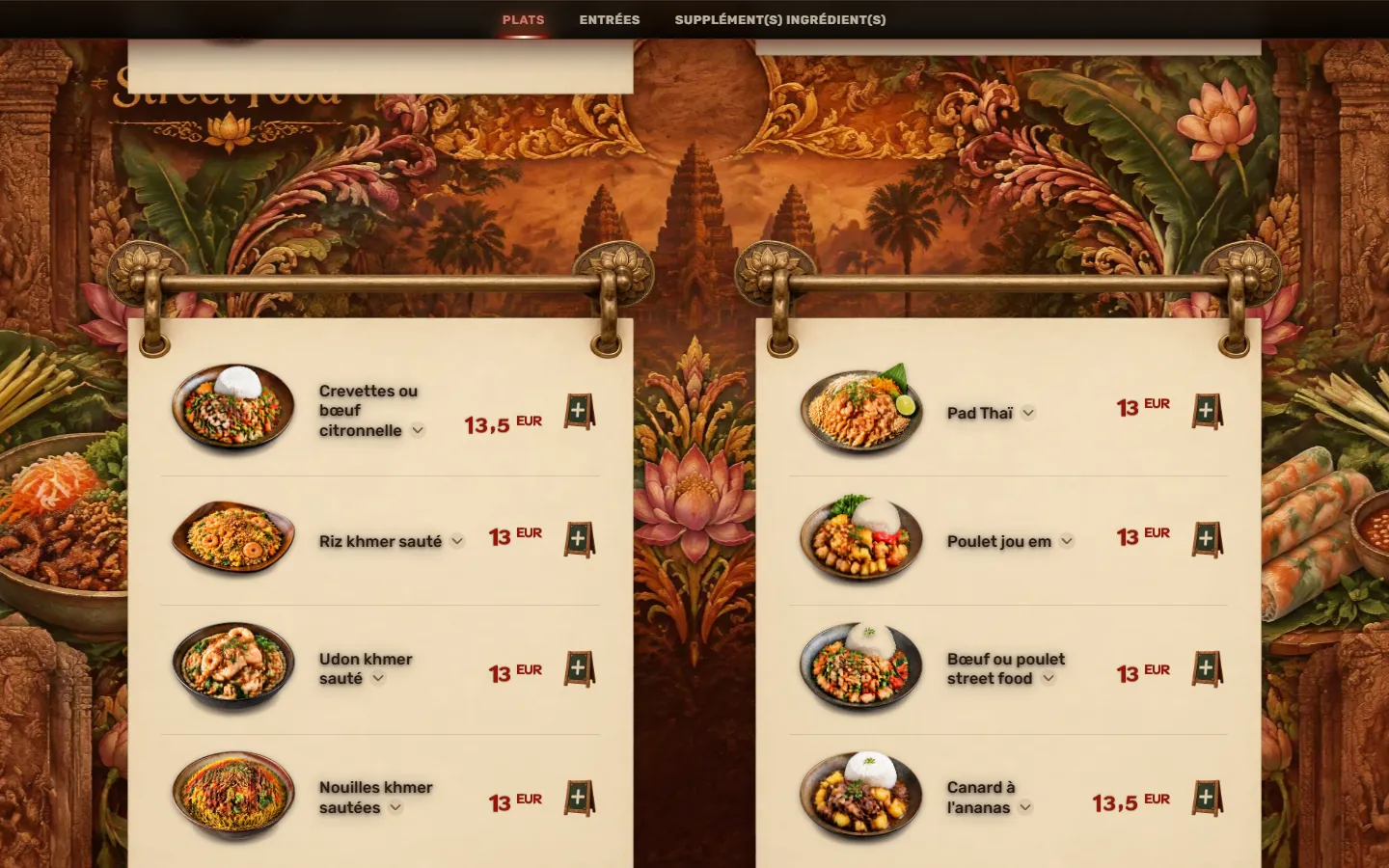
The ordering page changes the setting: a large painted mural in which the silhouette of a Khmer temple stands out against an orange sky, between palm trees, pink lotus flowers, gilded scrollwork and pillars of carved sandstone. A bowl of bo bun and spring rolls frame the scene, beneath the name of the restaurant written in cream letters adorned with a lotus flower.
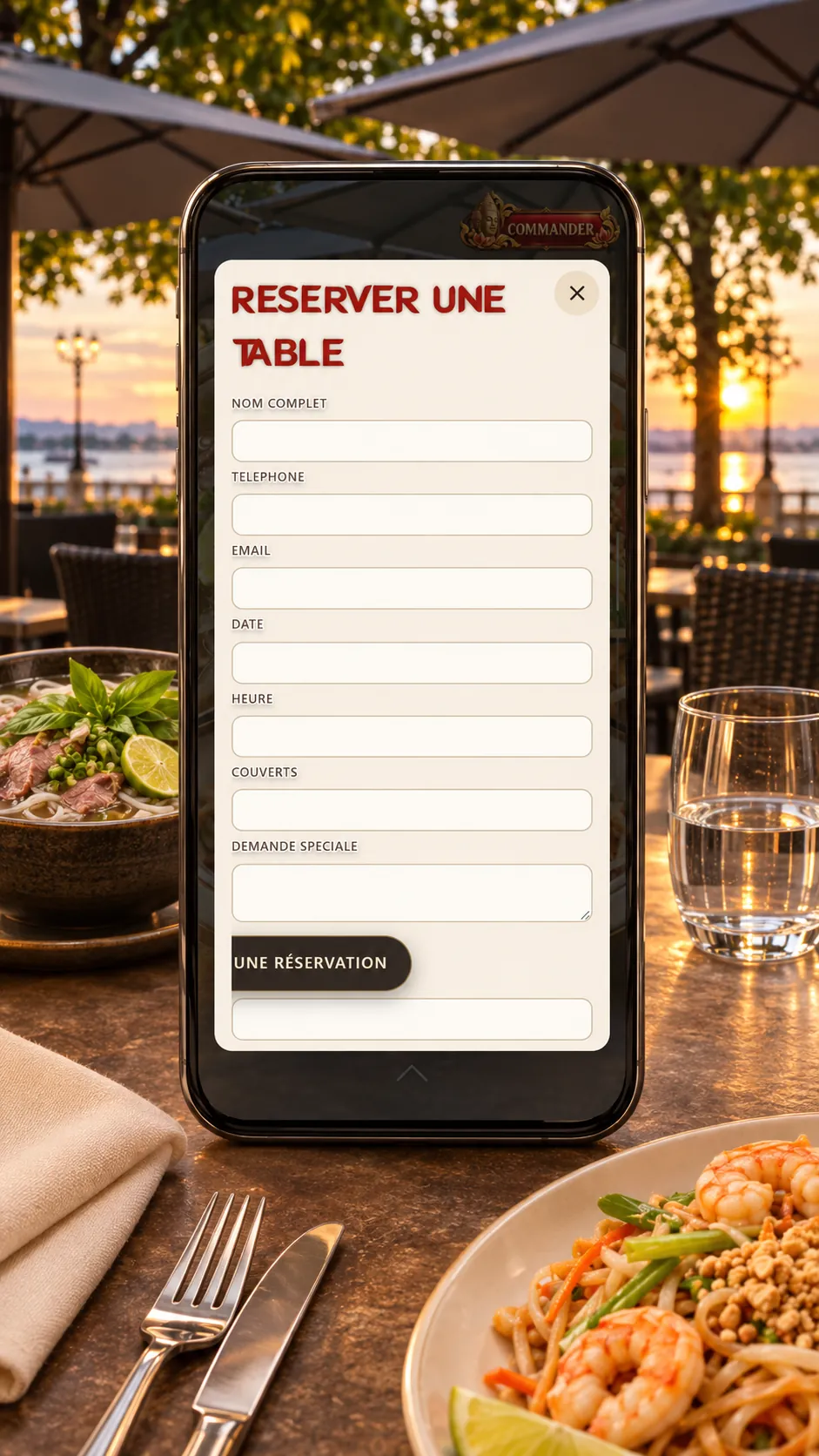
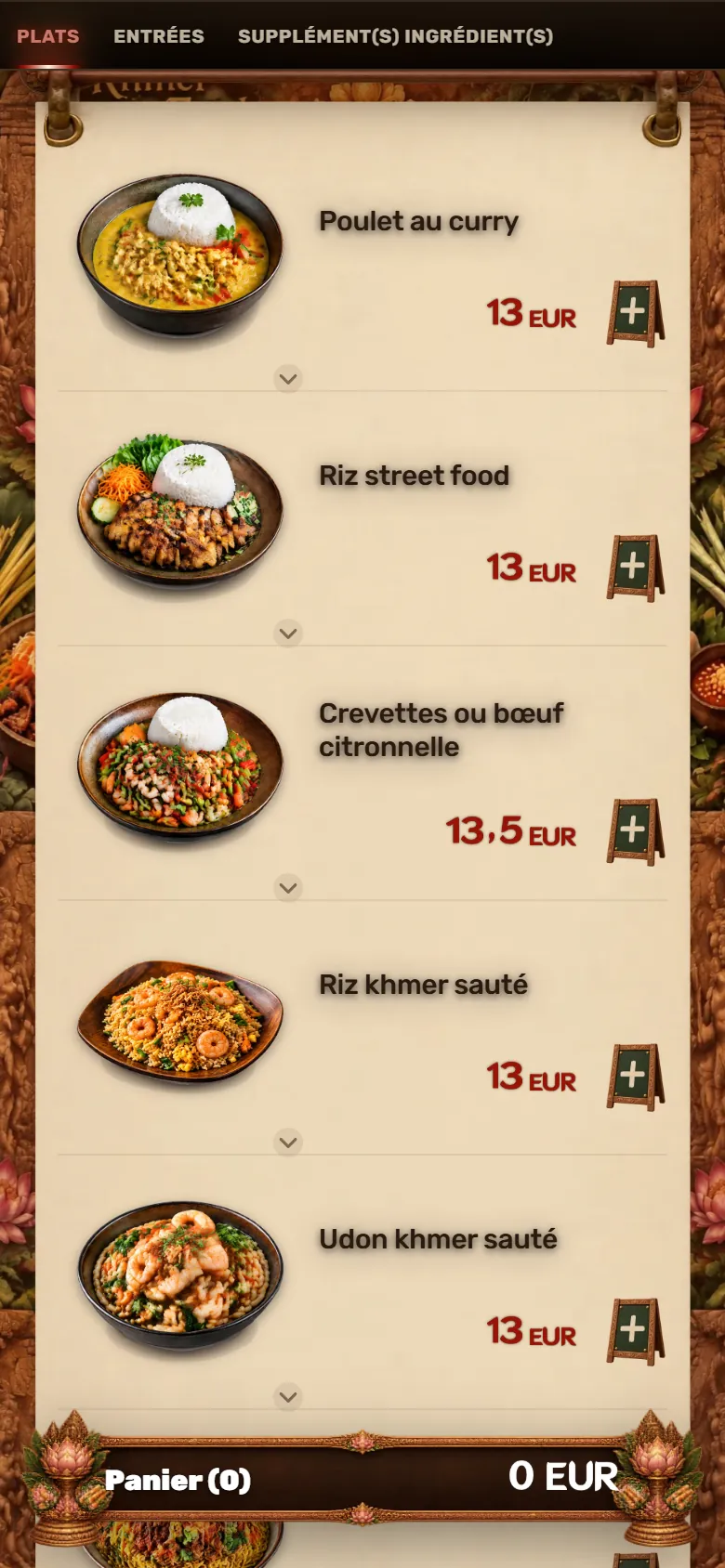
The menu hangs from bronze rods ending in lotus flowers, like rolls of cream paper. Each dish appears with its visual, its name and its price; a chevron unfolds its description, and the add button takes the shape of a small slate easel. A bar at the top of the page leads directly to the mains, the starters or the extras. You build your order in the basket, then send it to the restaurant to pick it up on site.
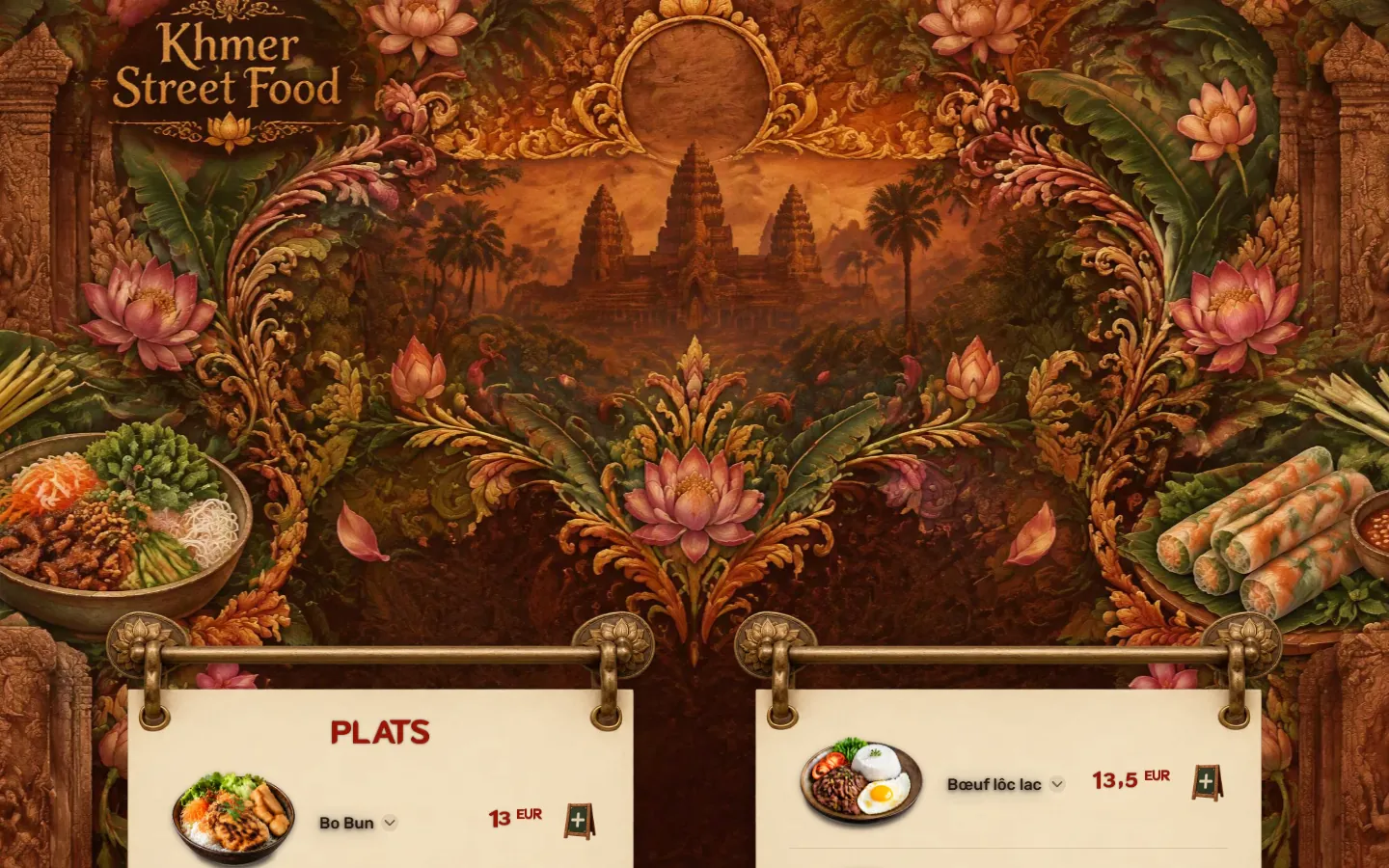
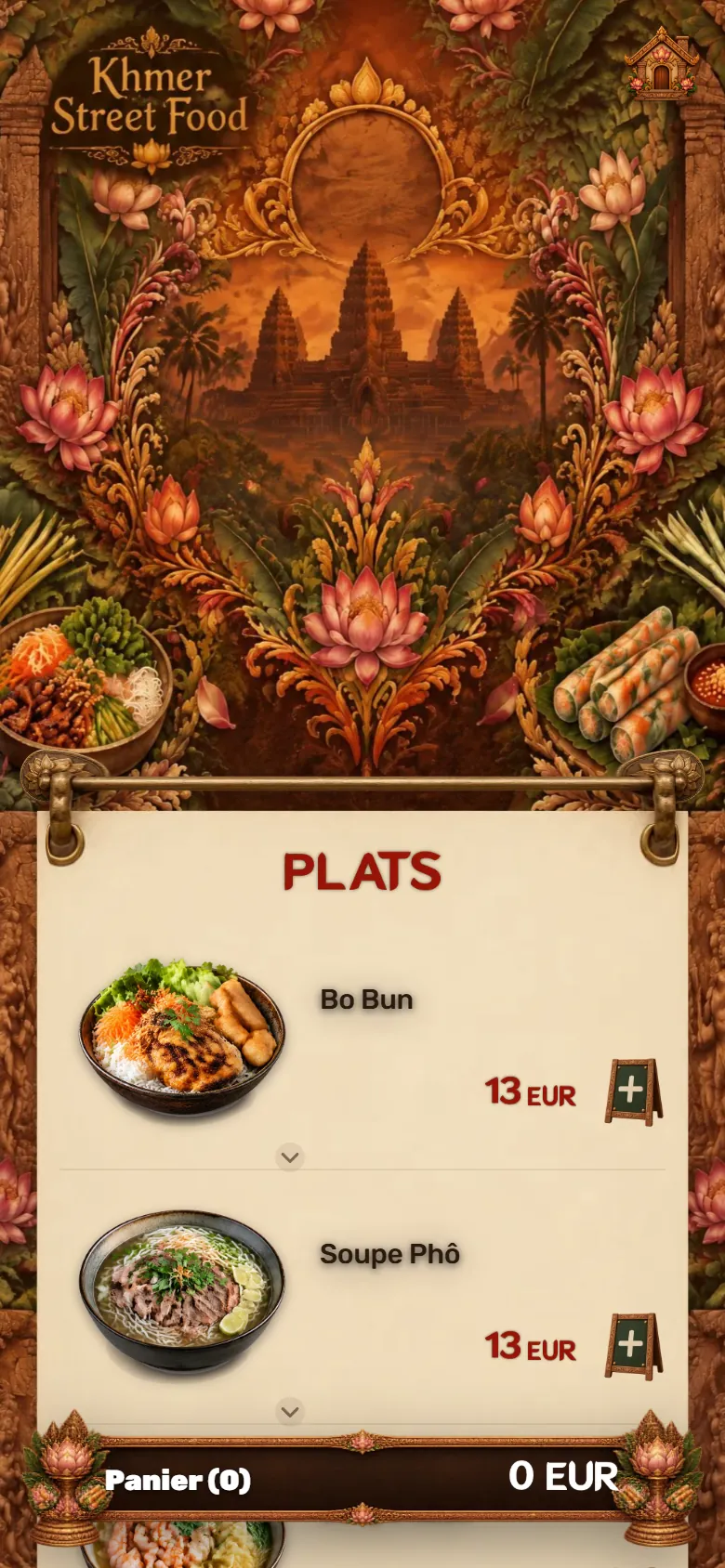
Khmer Street Food's menu: a few dishes
 Khmer Street Food's menu: a few dishes
Dishes as they appear on Khmer Street Food's online menu, with the restaurant's own names, descriptions and prices.
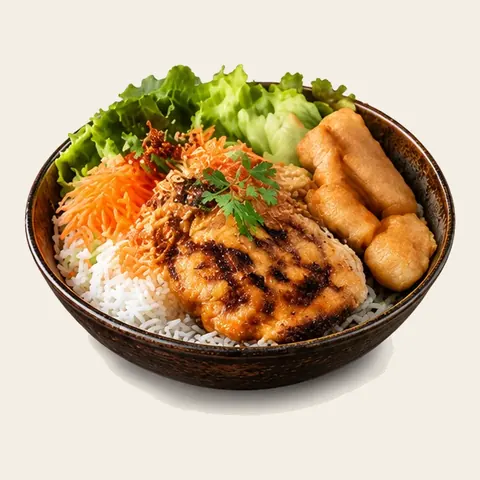 Plats
Bo Bun
Poulet mariné à la citronnelle (ou au choix : bœuf, crevettes, tofu) Accompagné de légumes frais croquants, nems et vermicelles de riz, le tout arrosé de notre sauce maison.
€13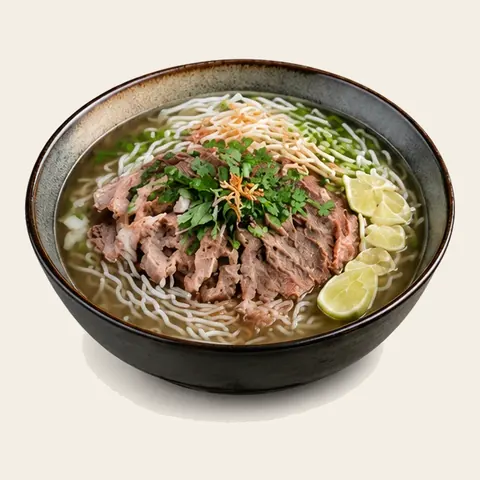 Plats
Soupe Phô
Bouillon de bœuf parfumé, servi avec des pâtes de riz, émincé de bœuf, pousses de soja et citron vert.
€13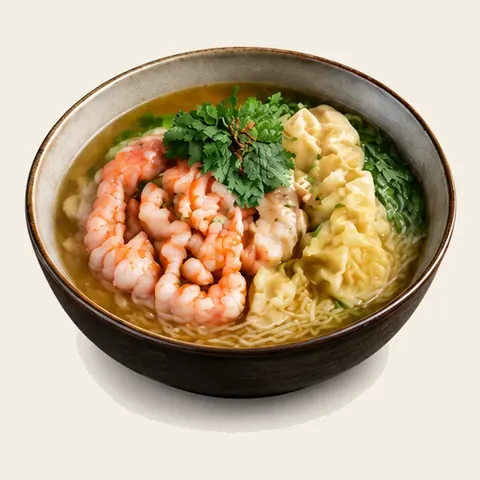 Plats
Soupe Keav
Bouillon de bœuf parfumé servi avec des nouilles, crevettes et des raviolis faits maison.
€13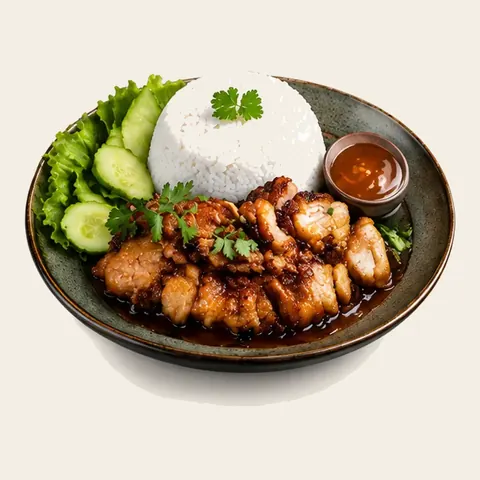 Plats
Poulet au caramel
Morceaux de poulet à la sauce au caramel, le tout servi avec un oeuf et de riz parfumé.
€13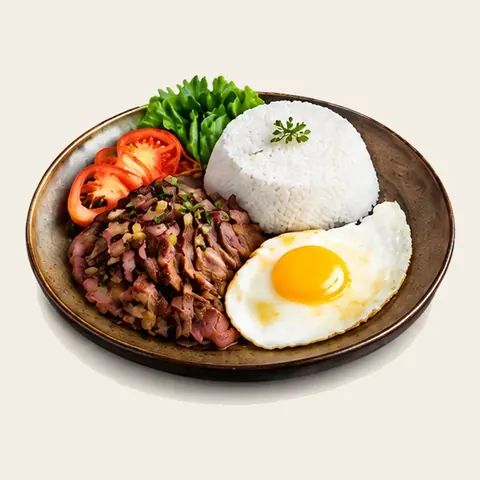 Plats
Bœuf lôc lac
Bœuf mariné sauté au wok, accompagné d'un œuf, de légumes croquants et du riz à la sauce tomate.
€13.50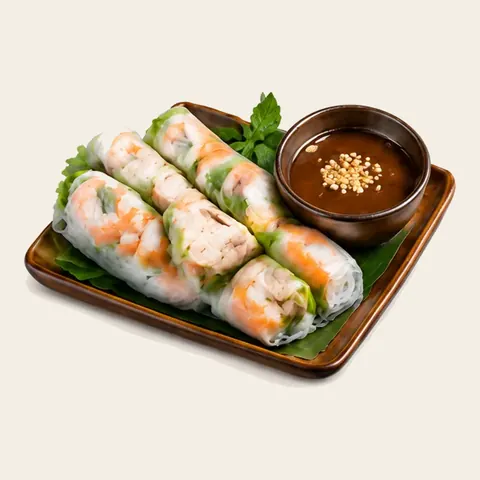 Entrées
Rouleau de printemps au poulet et aux crevettes
€5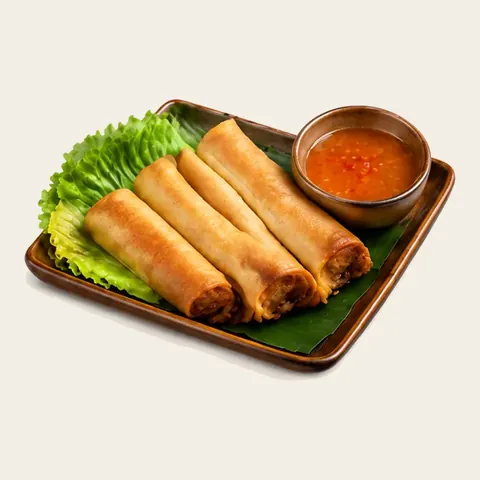 Entrées
Nems au poulet 4 pièces
€6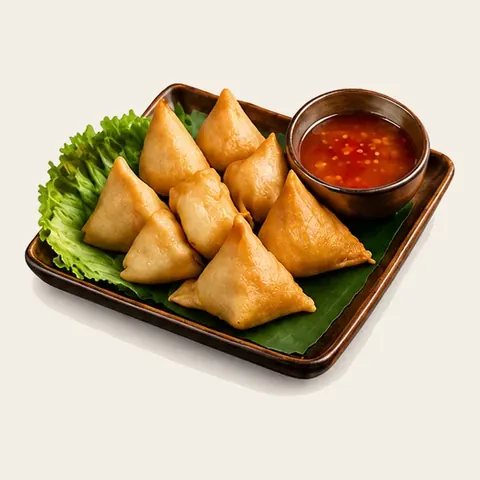 Entrées
Samoussas au bœuf 5 pièces
€6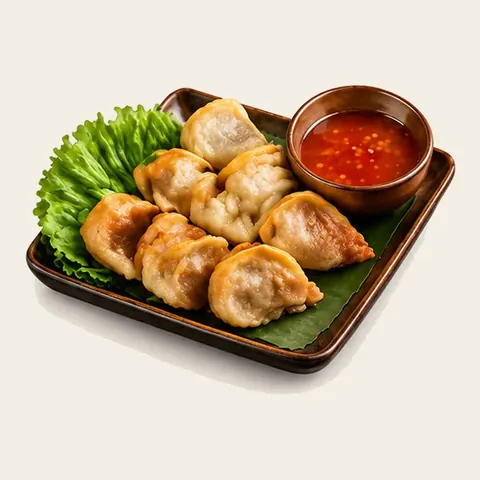 Entrées
Raviolis frits au poulet 6 pièces
€6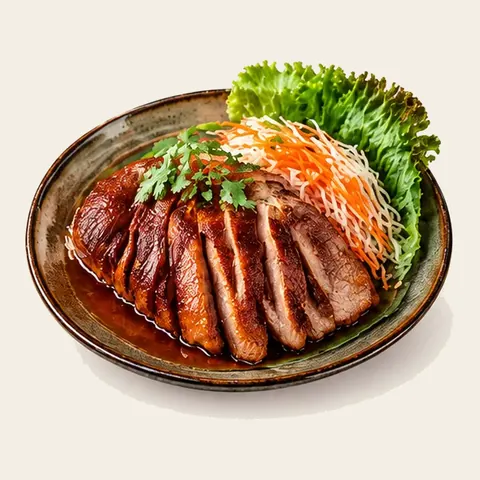 Supplément(s) ingrédient(s)
Supplément poulet, bœuf, crevettes, canard ou tofu
€3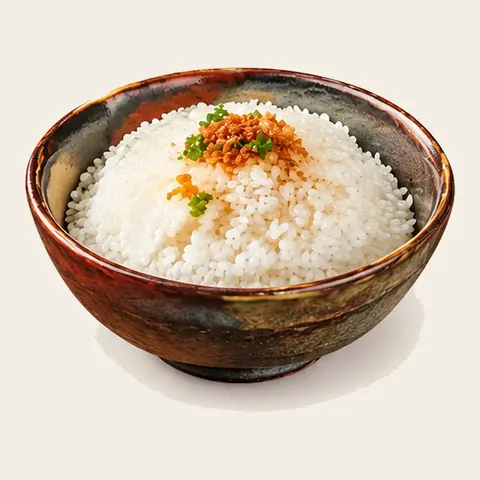 Supplément(s) ingrédient(s)
Supplément œuf, riz ou légumes
€2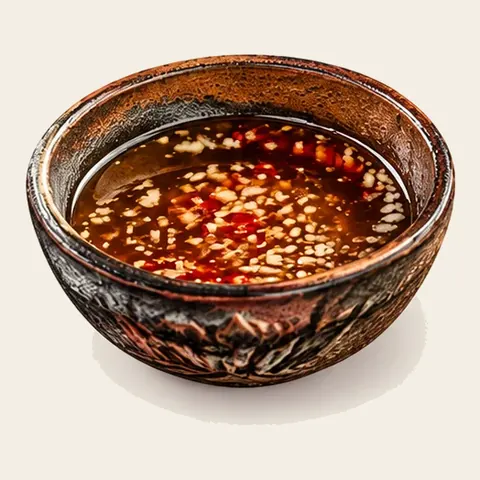 Supplément(s) ingrédient(s)
Supplément sauce
€0.50


On a phone, the plate fills the frame
 On a phone, the plate fills the frame
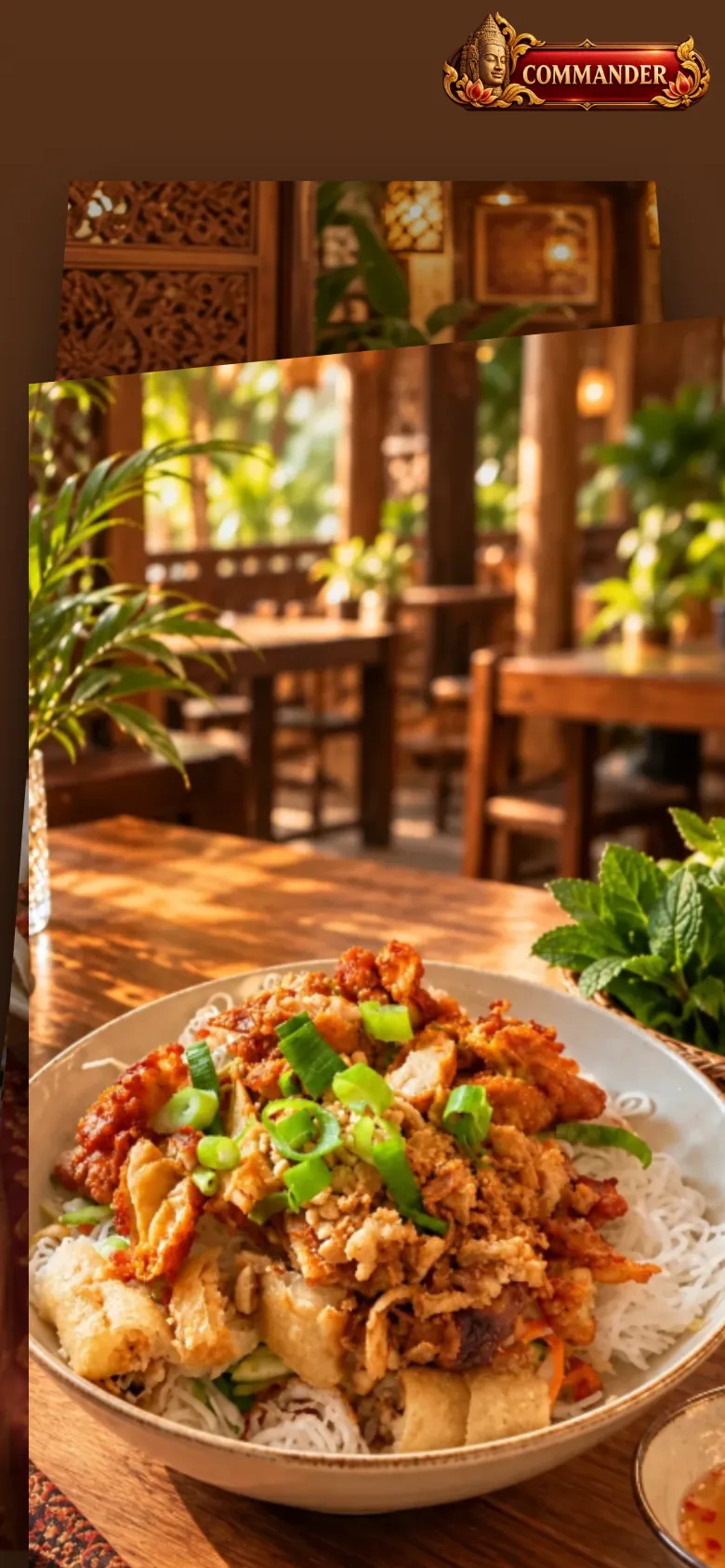
On a phone, the home page tightens around the plate: the cyclo logo, then “Cap sur Phnom Penh” in large letters, set directly over the soup, the noodles and the beef. The Commander button stays at the top right of the screen. Further down, the scenes follow one another in slightly tilted frames, like this bowl of bo bun with crispy chicken, served with its nems on a wooden table, in front of openwork screens and green plants.
On the ordering page, the temple mural fills the whole screen before the menu unrolls, dish after dish. The sections remain accessible at the top of the screen, and a dark basket bar, adorned with lotus flowers at each end, stays fixed at the bottom throughout.
A website prepared for local searches
 A website prepared for local searches
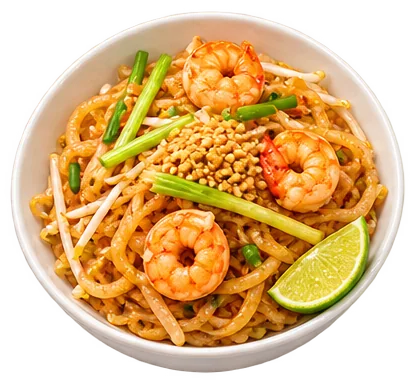
The website is built around what people look for in Bordeaux when they feel like Cambodian food: the name of the restaurant, a bo bun, a pho soup, a beef lok lak, a soup, a restaurant at La Bastide or open on Monday. The page title, its description and its texts present Khmer Street Food, its district, its cuisine and its dishes clearly, for visitors and search engines alike.
A detailed presentation page complements the home page, and the full menu can be read as text on the ordering page. No one can promise a position on Google: the work consists of giving search engines accurate, structured and consistent information.

A Cambodian restaurant in Bordeaux: a street food website built for ordering
 A Cambodian restaurant in Bordeaux: a street food website built for ordering
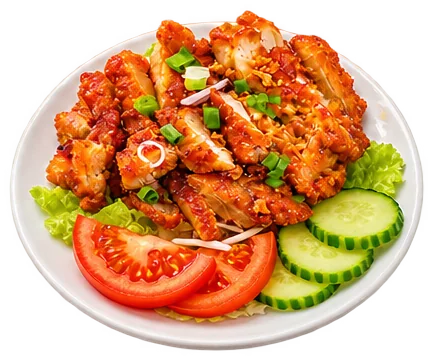
Cambodian street food is ordered fast and tweaked to taste: a bo bun with chicken, beef, prawns or tofu, a lok lak, a fried rice, topped up with an egg, vegetables or a sauce. A Cambodian restaurant website in Bordeaux must make those choices easy to read in three sections, mains, starters, extras, and take takeaway orders for the lunch break around Bastide Niel.
- A street-cart budget: no agency, no quote, and every bo bun taken away pays the restaurant in full, with no commission.
- Ready before the wok heats up: a restaurant name is enough, and the menu, images and ordering page arrive within minutes.
- The cyclo, the red, the lotus: pavement energy on the home page, Khmer ochres on the order page, never a generic Asian template.
- An extra changes in one tap: prawns sold out, tofu added, a new dish of the week; the owner updates the menu personally and the site shows it straight away.
- From customer to wok, no relay: orders go to the kitchen, with no agency or platform in the way.
- Bordeaux, Phnom Penh and beyond: the software also serves tables in Lausanne, London or Sydney, in several languages and the local currency.
For a Cambodian restaurant or Asian street food spot in Bordeaux, Dineora draws a site that takes people travelling before the first bowl.
Dineora in numbers: 0% commission on your orders · a website live in 5 minutes.
Learn more: Restaurant website builder · Online ordering system for restaurants · QR code menu for restaurants
The outcome: from Bordeaux to Cambodia, in a few gestures
 The outcome: from Bordeaux to Cambodia, in a few gestures
The Khmer Street Food website keeps the promise of its home page: you leave from a Bordeaux terrace and arrive in Cambodia, through the street and through the table. It keeps the energy of street food in its taglines, Khmer tradition in the setting of its menu, and a single action in view from the first screen to the last: ordering for pickup.


The website in pictures
 The website in pictures
Screenshots of the live website, on a computer and on a phone.
Khmer Street Food: practical information
 Khmer Street Food: practical information
- Address
- 6 Pl. de Stalingrad, 33100 Bordeaux
See the address on Google Maps - Cuisine
- Cambodian street food
- Services
- Online ordering for pickup
- Menu sections
- Plats · Entrées · Supplément(s) ingrédient(s)
- The restaurant's website
- dineora.io/khmer-street-food
 Menu sections

Questions about this project
 Questions about this project
Who designed the Khmer Street Food website?
The Khmer Street Food website was designed by Dineora: art direction, a home page that plays like a film as you scroll, an online menu and a pickup ordering page.
Can you order pickup from Khmer Street Food online?
Yes. The ordering page presents the mains, the starters and the extras: you add your choices to the basket, then send the order to pick it up at the restaurant.
What dishes are on the Khmer Street Food menu?
Bo bun, pho soup, beef lok lak, caramel chicken, curry chicken, duck with pineapple, pad thai, Khmer fried rice and noodles, as well as nems and spring rolls as starters.
How can a Cambodian restaurant take takeaway orders without a platform?
Its own site shows the menu and receives the orders, which the customer collects on site. They reach the kitchen directly and Dineora takes no commission.
Can a bo bun order include extras and variations online?
Yes. The online menu can keep a section of extras, meat, tofu, egg or sauce, which the restaurateur adjusts at any time.
 Kreyol kitchen
 La Brasserie Acquaviva
 La Casa Latina
 La Pie et l’Olive
 Kimchi Lab
 La Ferté Erquelinnes
